Inland Rail Extension
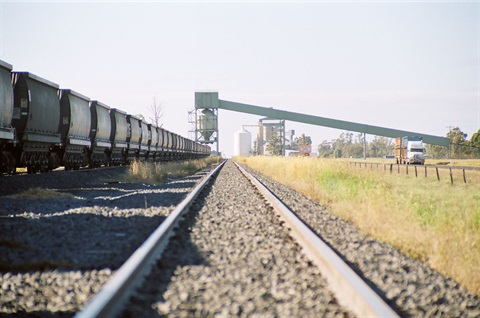
Western Downs Regional Council is deeply disappointed by the recent decision to stop Inland Rail at Parkes, NSW, not connecting Queensland to this major infrastructure project. It leaves the Western Downs , a critical region of Queensland and Australia, disconnected at a time when connectivity has never mattered more. This region is a national powerhouse, underpinning Australia’s food and fibre production, supporting globally significant energy industries, and driving manufacturing that sustains jobs, investment and export capacity. Failing to complete the Inland Rail connection undermines productivity, resilience and long‑term economic growth across the national supply chain.
At the same time, the region’s major highways are operating well beyond capacity. The Warrego Highway, Queensland's Federally-controlled east-west freight corridor, transports $19.5 billion in freight annually. The 186km stretch of the highway within the Western Downs alone moves more than $11.86 billion in freight on over 100,000 road trains and semi-trailers each year. Despite delivering 60% of all freight demand on the route, this stretch of highway is significantly underfunded and in poor condition. Forecast growth in freight task will only exacerbate these challenges. Without a coherent future vision for rail to take pressure off the freight system, the burden continues to fall on an already constrained highway network.
In light of the decision to cut this project short, we are calling on the Government to urgently review and commit to increased funding to address urgent maintenance and safety backlogs on the Warrego Highway and our State-controlled road network, and long-term investment in infrastructure resilience to support anticipated growth of the freight task.
Western Downs Regional Council is advocating for the inclusion of a new rail link between the Port of Gladstone and Inland Rail at Goondiwindi - a strategic connection that would unlock major economic opportunities for our region and the nation.
We know that efficient freight infrastructure is essential, not just for industry, but for jobs, investment, and the long-term prosperity of regional communities.
That’s why Council is calling for the proposed Gladstone to Goondiwindi rail link to be incorporated into the Inland Rail project to create a world-class freight supply chain through the heart of regional Australia.
Why This Connection Matters
Australia’s freight task is growing rapidly. The Inland Rail project is designed to meet this growing demand by connecting Melbourne and Brisbane via a 1,600km freight rail line through regional Victoria, New South Wales and Queensland. The current project faces challenges including delays, budget overruns, and difficulties connecting to key ports.
A direct connection to the Port of Gladstone would provide a powerful alternative and a major opportunity for the Western Downs.
What This Means for Our Region
Global Market Access: The Port of Gladstone is a deep-water port capable of servicing the largest dry bulk cargo ships in the world, with capacity to unload ships carrying up to 20,000 containers. Connecting Inland Rail to this port would open up new import and export opportunities for regional producers.
National Economic Impact: A high-speed, high-volume freight corridor from Gladstone through Goondiwindi and into the national network would strengthen Australia’s supply chains, reduce reliance on road freight, and improve freight efficiency across multiple states.
Local Investment: The Western Downs town of Miles is strategically located at the intersection of the Leichhardt and Warrego Highways. With the proposed rail link, Miles could become a major intermodal freight hub, enabling the transfer of goods between road and rail and attracting new investment to the region.
Council’s Advocacy
By connecting Inland Rail to Gladstone, we can create a world-class freight corridor that delivers for producers, businesses, and communities across the Western Downs and beyond.
We believe this connection is a once-in-a-generation opportunity to build a truly integrated, efficient, and resilient freight network - one that benefits regional communities and the national economy alike.
Council is advocating for:
- A national commitment to include the 680km Gladstone to Goondiwindi rail link in the Inland Rail project
- Strategic investment in regional freight hubs like Miles
- Investment in regional freight infrastructure that supports long-term economic growth
- A freight network that supports regional growth, not just metropolitan centres